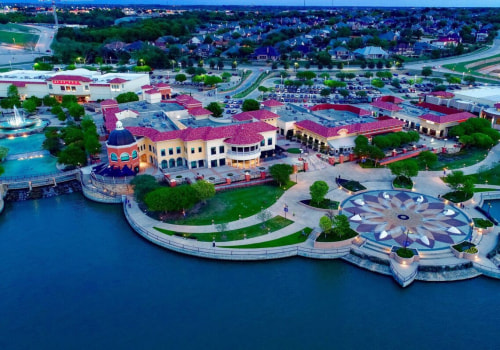
Waterfront wine events in Rockwall, Texas, offer a unique combination of scenic views, social engagement, and local hospitality that attracts residents and visitors alike. With picturesque lakefront settings and opportunities to showcase regional wineries, these events can create memorable experiences that blend recreation, entertainment, and community involvement. While attendees often focus on wine tastings, live music, food pairings, and beautiful waterfront scenery, the logistical planning required to execute these events successfully is often overlooked. Behind every well-organized waterfront wine gathering lies a complex network of planning considerations that must be addressed long before the first guests arrive.
Event organizers must coordinate multiple elements simultaneously, including venue preparation, vendor logistics, attendee safety, transportation, weather contingencies, and equipment management. Unlike traditional indoor venues, waterfront locations present unique environmental and operational challenges that require additional preparation. The natural beauty of a waterfront setting may enhance the guest experience, but it also introduces variables that planners must carefully manage to ensure a successful event.
Weather and Environmental Considerations
One of the most significant challenges associated with waterfront wine events is the unpredictable nature of outdoor environments. Wind conditions can affect tent installations, signage, decorative elements, and even serving stations. Temperature fluctuations may influence attendee comfort as well as the storage and serving conditions of wine products. Event planners often invest considerable effort in monitoring forecasts and developing contingency plans to address changing weather conditions.
Waterfront venues may also present challenges related to terrain and accessibility. Uneven surfaces, shoreline proximity, and limited setup areas can complicate the installation of event infrastructure. Organizers must carefully evaluate how guests, vendors, and support staff will navigate the venue while maintaining safety and convenience throughout the event.
These environmental factors require planners to adopt flexible strategies that allow adjustments to be made quickly when conditions change. Successful events often depend on preparation that anticipates multiple scenarios rather than relying on ideal weather conditions alone.
Vendor Coordination and Equipment Logistics
Wine events frequently involve numerous vendors, including wineries, caterers, entertainers, rental companies, and event service providers. Coordinating the arrival, setup, and operation of these participants requires detailed scheduling and communication. Waterfront locations can make these logistics more complicated because access routes, unloading zones, and storage areas may be limited compared to traditional event facilities.
Equipment management becomes particularly important when large quantities of tables, tents, refrigeration units, sound systems, staging materials, and decorative elements must be transported and assembled. Every item needs to arrive on schedule and be positioned correctly to support efficient event operations. Delays involving one vendor can create challenges for multiple aspects of the event setup process.
Organizations experienced in handling transportation and logistics understand the value of detailed planning and coordination. Companies such as Mountain Movers Round Rock demonstrate how careful scheduling, organized transportation, and efficient handling procedures contribute to successful operations involving valuable equipment and time-sensitive timelines. Similar logistical principles are often applied when managing complex event setups.
Guest Experience and Operational Efficiency
While logistics occur behind the scenes, they directly affect the guest experience. Attendees expect convenient parking, efficient entry processes, accessible amenities, and a comfortable environment throughout the event. Waterfront venues may require additional planning to address transportation flow, crowd movement, restroom facilities, and emergency access.
Wine events also depend on maintaining a welcoming atmosphere that encourages social interaction and enjoyment. This means planners must balance operational efficiency with aesthetic considerations, ensuring that logistical infrastructure remains functional without detracting from the overall ambiance.
The Hidden Work Behind Successful Events
The success of a waterfront wine event is often measured by the quality of the guest experience, but that experience is built upon extensive preparation that remains largely invisible to attendees. Weather planning, vendor coordination, equipment transportation, site management, and contingency preparation all contribute to smooth event execution.
Ultimately, waterfront wine events in Rockwall offer unique opportunities to celebrate local culture and hospitality, but they also require careful logistical planning that extends far beyond the visible aspects of the event. Understanding these challenges highlights the significant effort involved in transforming a scenic waterfront location into a successful and memorable gathering for guests, vendors, and organizers alike.